
Cleveland · Akron · all of Northeast Ohio · family owned since 1957
Courts and pavement built to last.
Tennis, pickleball and basketball courts constructed, resurfaced and repaired. Parking lots sealed, crack-filled and striped. One crew, our own equipment, SportMaster® surfaces, and sixty-nine years of Ohio winters behind the work.
- 1957
- family owned and operated in Cleveland since
- 1,200+
- courts surfaced in the last thirty years, by our own count
- ASBA
- member of the American Sports Builders Association
What we do
Six jobs, done by the people who own the equipment.
Most of our work is for cities, schools, colleges, clubs and homeowner associations; the rest is for businesses with a lot to keep and homeowners with a court to save. Every one of these starts with a free walk-through.
Tennis courts
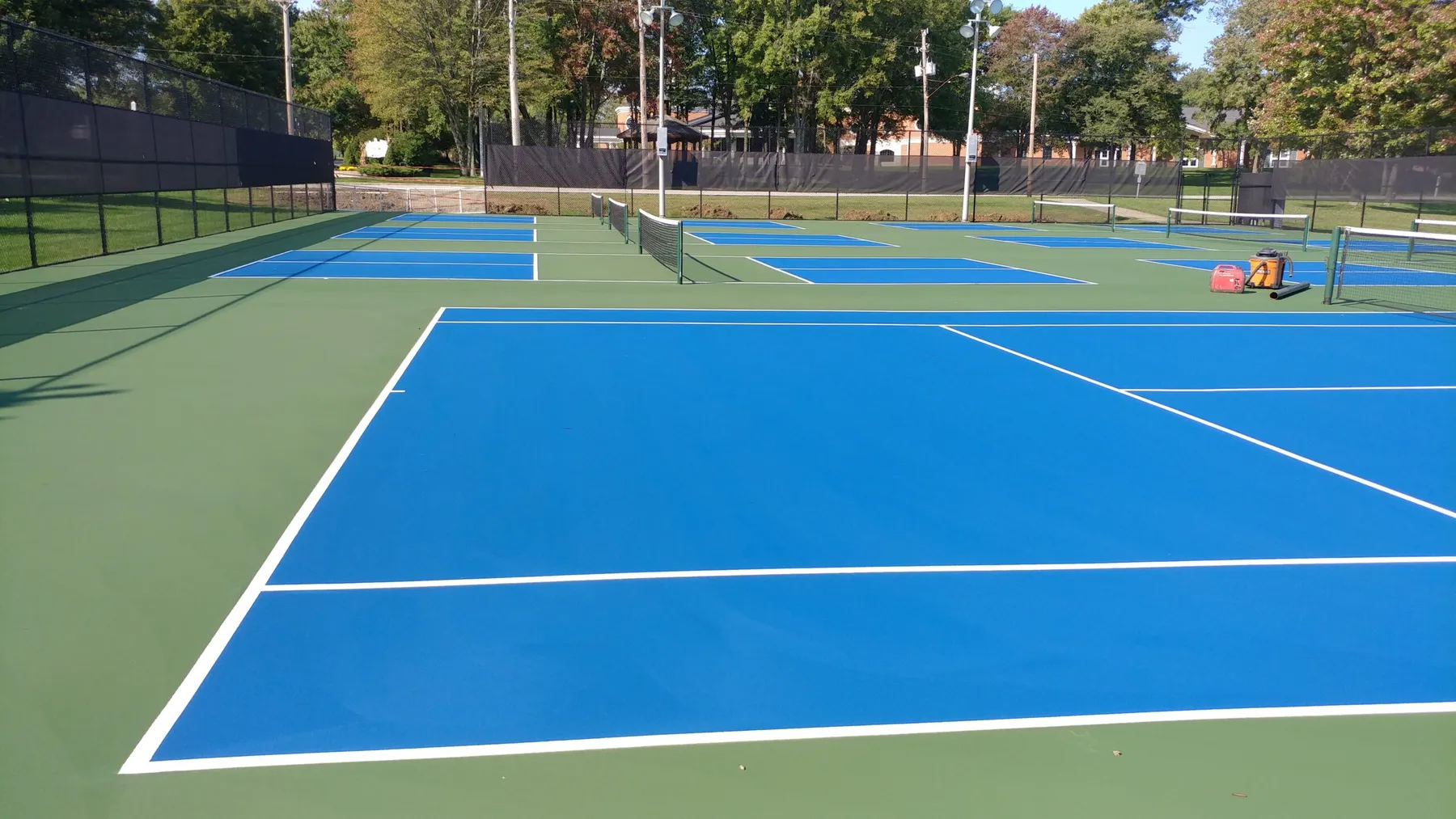
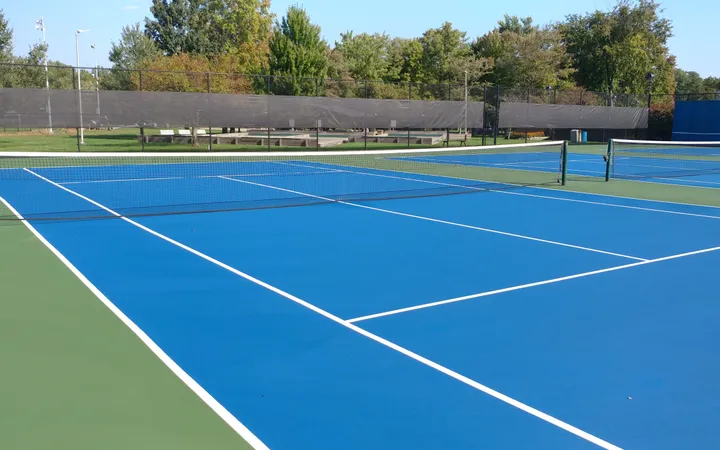
New courts on asphalt or post-tensioned concrete, resurfacing, crack repair, lines, nets and fence.
Read on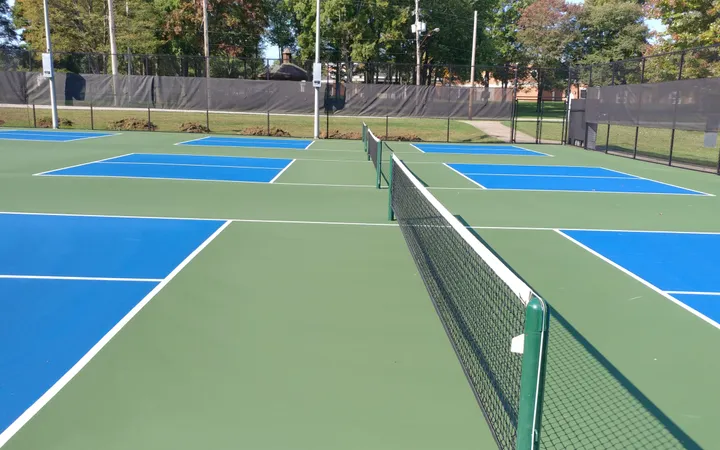
Pickleball courts
Dedicated courts, tennis-to-pickleball conversions and blended-line layouts, built to USA Pickleball dimensions.
Read on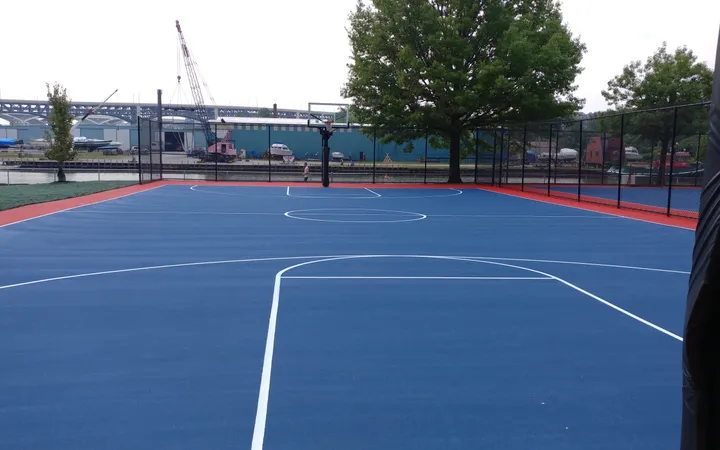
Basketball courts
Outdoor courts for parks and schools: base, color system, keys and arcs to the rulebook, goals set plumb.
Read on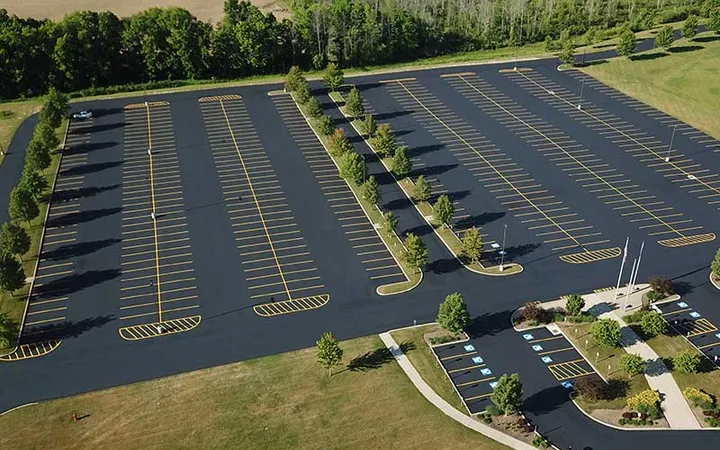
Sealcoating
Two coats of sealer over a cleaned, crack-filled lot, on a schedule that keeps the asphalt from needing replacement.
Read on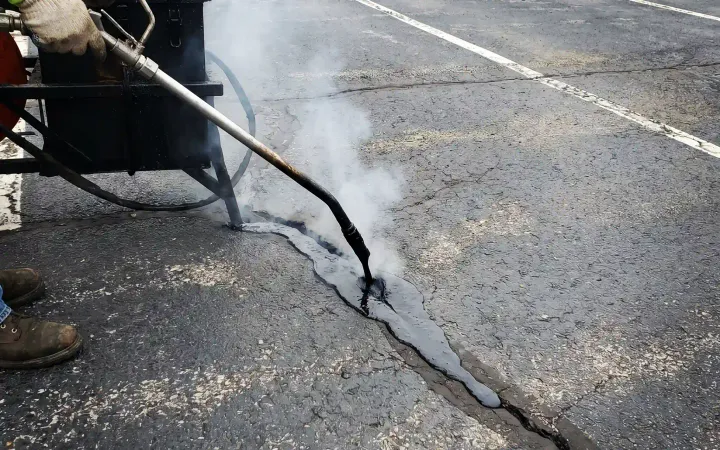
Crack repair
Hot-pour filling for lots; membrane repair for courts, so the crack does not print through next spring.
Read on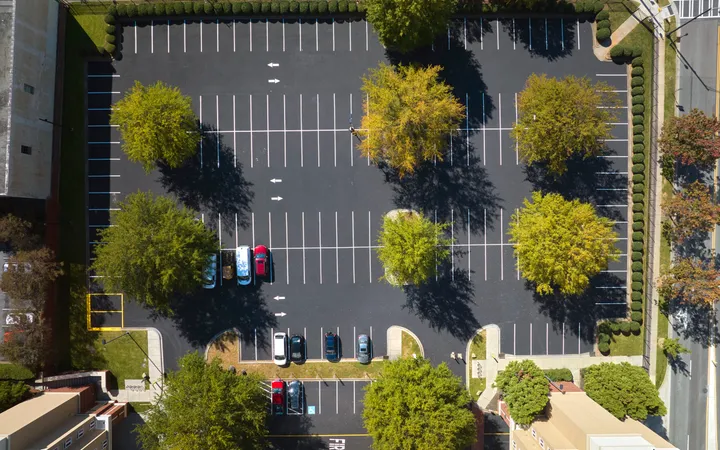
Line striping & ADA
Stalls, arrows, fire lanes, accessible spaces and signs laid out to the 2010 ADA Standards.
Read onOur work
Courts you may have played on.
Municipal parks, high schools, a college, a lakeside club. Each project page says what was there, what we did and what it took.
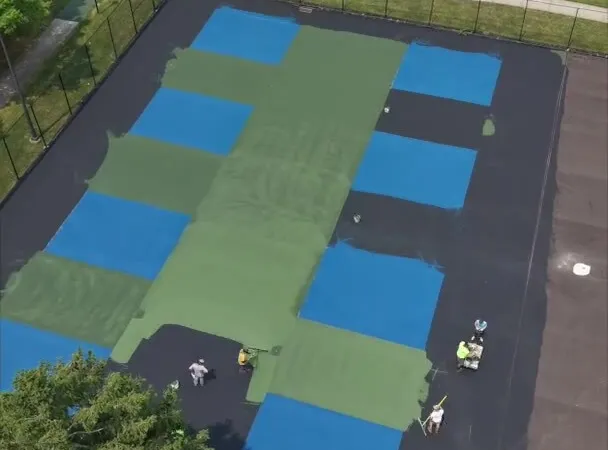
Parma Heights: three tennis and seven pickleball courts at Greenbrier Commons
A city's whole court complex rebuilt in one season, bought through the SportMaster cooperative contract without a separate bid. The biggest job on the public record.
The project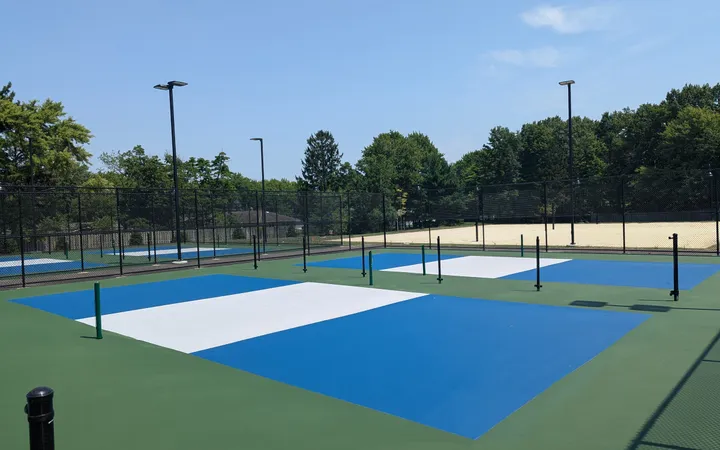
Strongsville: twelve pickleball courts, four tennis courts and a basketball court at the Town Center
A new park's courts and players waiting at the gate before the crew had loaded the truck.
The project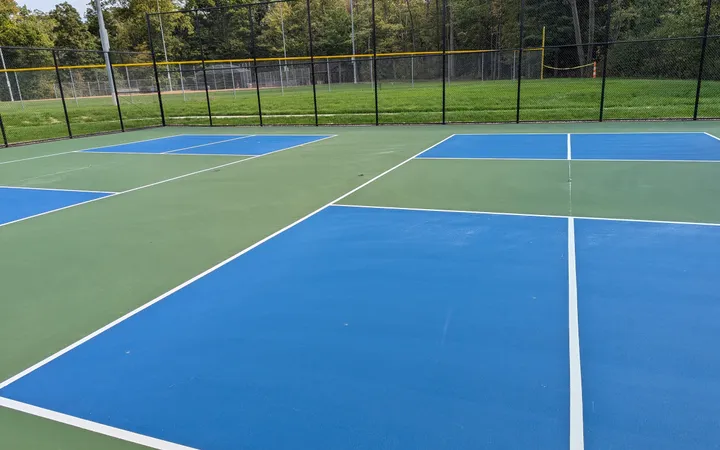
Richfield: six pickleball and three tennis courts behind the Village Hall
A village that built pickleball and tennis together, behind the hall, in one go.
The project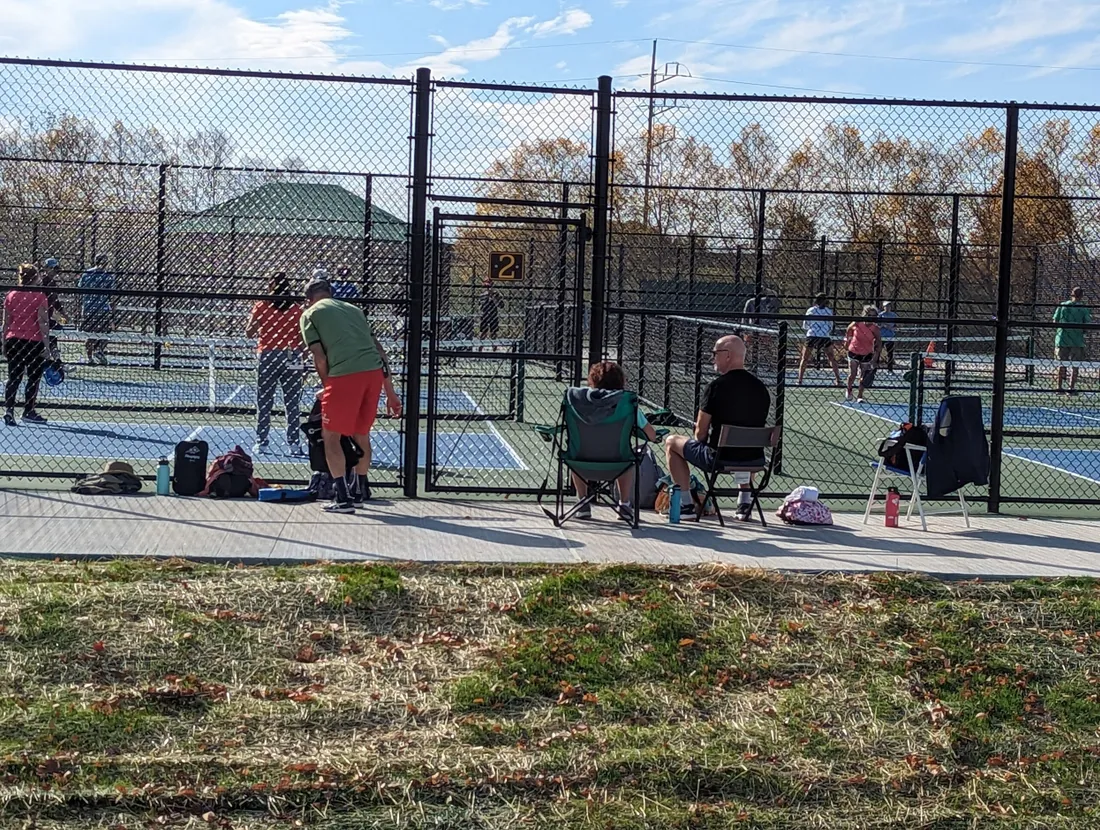
Pickleball
The sport every parks board is being asked about.
Pickleball was the fastest-growing sport in the country for most of this decade and Northeast Ohio has taken to it hard: the courts we built for the City of Hudson are busy from morning to dusk, and the calls from other cities, clubs and HOAs have not stopped. We build dedicated courts, convert tired tennis courts, and lay out blended lines where a court has to do both jobs.
The decisions that matter are made before any color goes down: how many courts fit, which way they face, how the fence and the kitchen lines are placed, and how the noise is handled for the neighbors. We have made those decisions enough times to make them quickly.
The indoor facility flown through at the top of this page is ours too: Cleveland Premier Pickleball, Avon Lake, fifteen courts and a padel court.
Ohio materials
An Ohio company, for Ohio, from Ohio.
What goes into our courts and lots comes from this state. The acrylic color coats and the pigments in them are SportMaster®, made in Sandusky; the sand in the coats, the sealers on the lots, the net posts and the fence come from Ohio suppliers too. Materials that arrive by truck from an hour away, from makers we can drive to, on the schedule the Ohio season sets.
For a city, a school district or a club spending public or members' money, that is the point: Ohio work, in Ohio materials, by a Cleveland company that has been here since 1957.
Pigments and color coats
SportMaster® acrylic systems, made in Sandusky, an hour west of the yard
Sand
The silica in every resurfacer and color coat, from Ohio suppliers
Sealers
The coal-tar and asphalt emulsions on the lots, from Ohio suppliers
Net posts and fence
Posts, sleeves, nets and chain link, from Ohio suppliers
Parking lots
The cheapest year of a parking lot's life is the one you seal it.
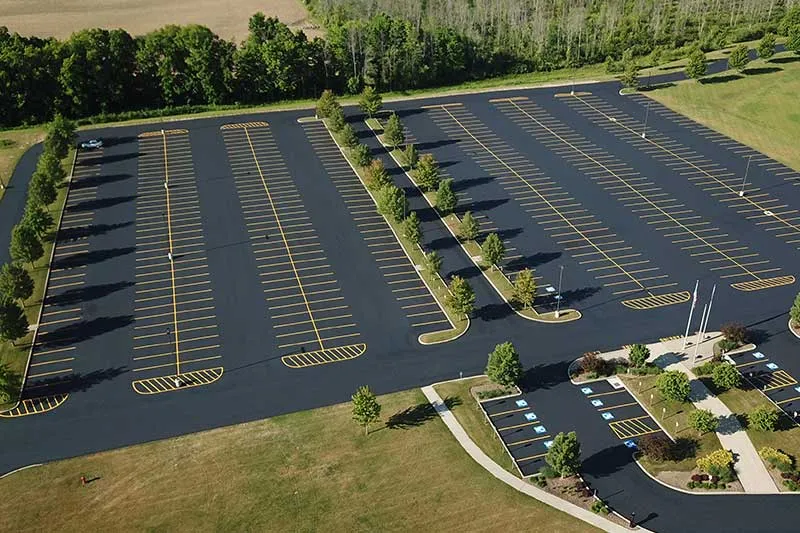
Asphalt fails from the top down. Sun and water open the surface, the cracks let the winter in, and a lot that could have been sealed for a dollar or two a square yard needs a lift of new asphalt at ten times that. Our sealcoating program is the same one we run on our own yard: clean, fill the cracks hot, two coats of sealer with sand, fresh lines, and a note in the file for the year it is due again.
We stripe to the 2010 ADA Standards, mark fire lanes the way the local fire marshal wants them, and put the lot back in service the next morning.
How a job goes
Measured, written down, built in the window.
Court coatings and sealers only work in warm, dry weather, which in Northeast Ohio means roughly May to mid October. We book the season early and tell you exactly where your job sits in it.
-
Step 1
Walk the site
We measure, check the slope with a level and a hose, map the cracks and look at the base. Free, and usually within the week.
-
Step 2
A written proposal
Scope, materials, color options, a price, and the honest alternative: repair now and resurface later, or the other way round.
-
Step 3
The right week
Each stage needs its temperature and its drying time. We schedule around that and tell you the day before we come.
-
Step 4
Hand it back
Lines straight, nets set, cones gone, a maintenance sheet in your hand and a date for the next look.
The company
A Cleveland contractor since the days of coal-tar sealer.
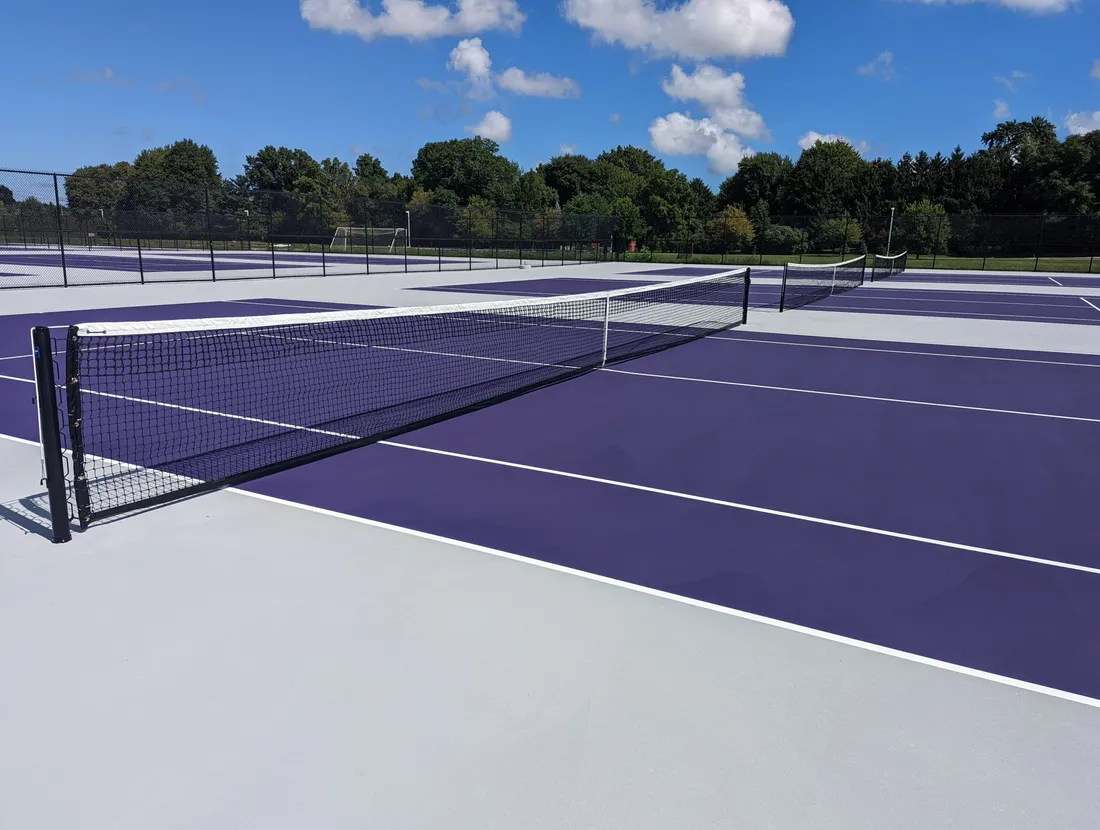
Industrial Surface Sealer, Inc. has been sealing lots and building courts on Cleveland's east side since 1957, and is one of the region's few specialist court builders: more than 1,200 courts in the last thirty years by our own count, and the cities that hired us once hire us again. The yard is still at 4000 East 86th Street. The owner still walks every site, and the same crews that pour the base come back to coat it.
We are members of the American Sports Builders Association, we install SportMaster® acrylic surfaces, and we repair cracks with a fabric-membrane system because we have seen what happens to the ones that are only filled.
Articles by Carl
What seventy years on courts and lots teaches you.
Plain answers to the questions owners ask, and notes on what is changing in the trade: robots that lay out lines, coatings that run cooler, repairs that outlast the old ones.
Line-marking robots: what they change, and what they do not
GPS line-marking robots are arriving on fields and marketed for courts. What they get right, what a tape still does, and when we will use one.
Read onWhat has changed in acrylic court coatings
Cushion systems, cool pigments, faster cure, tougher line paint. Which of the new products earn their price.
Read onLaser grading, moisture meters and infrared repair
The instruments on the truck that were not there twenty years ago, and what each one prevents.
Read onQuestions
Asked on most first calls.
The longer answers are on the FAQ page and in the guides.
When is the season for court coatings and sealcoating in Northeast Ohio?
Roughly May to mid October. Acrylic court coatings and asphalt sealers need the surface and the air above 50 °F and rising, no rain for a day, and nights that stay above 40 to 45 °F so the coat cures instead of stalling. Around Cleveland that window opens in May, is reliable June through September and closes in October. We book the season from February on; the earlier a job is on the board, the better its week.
How long does resurfacing a tennis court take?
About a week of calendar time for one court in good weather: a day to clean, pressure-wash and repair cracks, a day for the acrylic resurfacer, a day each for two color coats, a day for lines, with drying time between every step. Play can resume one to two days after the lines go on. A bank of courts takes longer; rain adds days, never shortcuts.
Can a tennis court be converted to pickleball?
Yes, and it is most of what we are asked about now. One tennis pad takes four dedicated pickleball courts with their own nets and fencing, or two with generous run-off. Or the tennis lines stay and two or four pickleball courts are added in a second color. The surface has to be sound first; a conversion is a resurfacing with a different layout, not a paint job.
How often should a parking lot be sealcoated?
Every two to four years, with the cracks filled every year. A new lot gets its first seal about a year after paving, once the asphalt has cured. Sealing a lot that is already failing, with alligator cracks and potholes, is a waste of the sealer; those areas need patching or a new lift first, and we say so.
Do you bid public work?
Yes. Much of our work is for cities, villages, townships, school districts and colleges across Northeast Ohio: under competitive bids, on quotes below the bidding threshold, and through cooperative purchasing. We are SportMaster's authorized installer under the Equalis Group contract (COG-2138B), which lets a member city or district buy court work at the contract's rates without running its own bid; Parma Heights bought its court rebuild that way. We carry the insurance and bonding public contracts require, our coatings carry a two-year limited warranty and our asphalt a one-year, and we have built courts to ASBA and USTA guidelines for decades. Send bid packages to the yard's email on the contact page.
Free estimates
Get a number you can plan around.
Send the address and what you have in mind. We walk the site, measure it, and send a written proposal with the scope spelled out: what gets done, what it costs, and when it fits the season.
The yard
4000 East 86th Street, Cleveland, OH 44105
Off Broadway Avenue, south of downtown, ten minutes from I-77 and I-490.
Serving Cuyahoga, Summit, Lake, Lorain, Medina, Geauga, Portage, Stark and Ashtabula counties. Municipal, school, club, HOA and commercial work; residential courts by the job.